



OGame Expeditions: The Complete Guide to Fleet Composition, Rewards, and Automation
Expeditions are the one part of OGame where you're not attacking a player or mining a planet — you're sending a fleet into deep space and letting the odds decide what comes back. Done right, they're one of the best steady sources of resources, Dark Matter, and even free ships in the game.
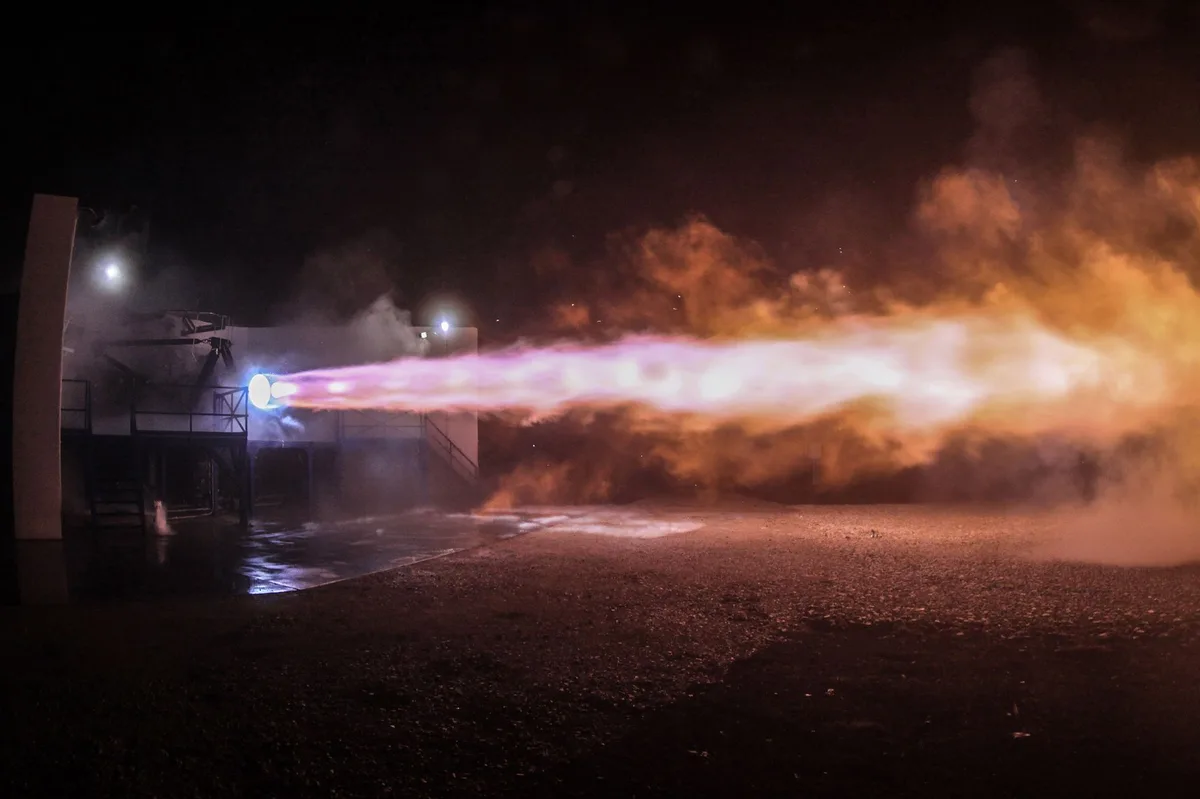
Expeditions are the one part of OGame where you're not attacking a player or mining a planet — you're sending a fleet into deep space and letting the odds decide what comes back. Done right, they're one of the best steady sources of resources, Dark Matter, and even free ships in the game. Done carelessly, they're also one of the easiest ways to lose a fleet for nothing. Here's how the system actually works, how to build a fleet for it, and how to automate the whole loop instead of babysitting timers.
In this guide
- What Is an Expedition, Exactly?
- How Many Expeditions Can You Run at Once?
- Building the Best Expedition Fleet
- What You Can Actually Find Out There
- The Real Risks: Pirates, Aliens, and the Black Hole
- Automating Your Expeditions
What Is an Expedition, Exactly?
An expedition is a fleet mission sent to position 16 in a system — a slot that doesn't hold a planet or moon, just open space. Once your fleet arrives, it holds position for a set amount of time (at least an hour, longer if you configure it that way) before automatically turning around and coming home. During that hold, the game rolls for an outcome. You need the Astrophysics technology researched before the expedition mission even becomes available to send.
How Many Expeditions Can You Run at Once?
Your number of simultaneous expedition slots is tied directly to your Astrophysics level: it's the square root of your Astrophysics level, rounded down. So Astrophysics 16 gives you 4 slots, Astrophysics 25 gives you 5, and so on — the returns get slower the higher you go, which is why serious expedition players push Astrophysics aggressively early rather than treating it as a side research. If you've assigned an Admiral officer, you get one additional slot on top of that formula, which is usually worth it on its own just for the extra expedition capacity.
Building the Best Expedition Fleet
There's no single "correct" expedition fleet, but a few principles hold across almost every server:
- Cargo capacity is what determines your ceiling. Large Cargos are the standard backbone — the more hold space you send, the more resources and Dark Matter you can actually bring home instead of leaving loot on the table.
- Never send an undefended fleet. Expeditions can run into pirates or aliens, and a fleet with zero combat ships takes the full brunt of a loss. Even a modest escort of combat vessels dramatically improves your odds of coming home intact.
- A Bomber in the mix specifically helps. Bombers reduce the losses you take when an expedition encounter goes to combat, making them one of the more efficient additions per hull if you're optimizing for fleet survival rather than just raw firepower.
- Don't send ships you can't afford to lose. Treat every expedition slot as a real gamble — size the fleet to what you're comfortable risking, not to what you have sitting idle.
For a broader look at how expedition fleets fit into your overall fleet strategy, see our guide to designing a winning fleet and our fleet management strategy guide.
What You Can Actually Find Out There
Based on data tracked by the OGame community across many servers, expedition outcomes roughly break down like this:
- Resources (~1 in 3 expeditions): the most common outcome — metal, crystal, and deuterium scaled to your fleet's cargo capacity.
- Abandoned ships (~1 in 5 expeditions): derelict ships you can recover and add straight to your fleet, at no build cost.
- Dark Matter (roughly 1 in 10 expeditions): usually a small package, occasionally a large one — this is one of the few reliable ways to earn Dark Matter without spending real money.
- A wandering merchant: a rare chance to trade resources on the spot at favorable rates.
None of this is guaranteed on any single trip — expeditions pay off on volume, not on any one run.
The Real Risks: Pirates, Aliens, and the Black Hole
The same pool of outcomes includes the downside cases:
- Pirate encounters happen on a small but real percentage of expeditions and scale their attacking fleet to yours — this is where an escort of combat ships (and a Bomber, specifically) earns its keep.
- Alien encounters are rarer than pirates but can bring a larger opposing fleet relative to your own.
- The black hole event is the one every expedition player fears — a very low-probability outcome where you lose part or all of the fleet you sent, with no warning and no way to prevent it once it triggers.
None of these are common enough to avoid expeditions altogether — the expected value is still firmly positive if you fly a reasonable fleet — but they're why "send my whole main fleet on expedition" is a bad habit, not a power move.
Automating Your Expeditions
Manually relaunching an expedition every time it lands gets old fast, especially once you're running multiple slots. An automated expedition setup handles the loop for you by letting you configure three things upfront:
- Fleet composition — the exact mix and count of ships to send on every run, so you're not rebuilding the order each time.
- Cargo threshold — a resource amount that, once reached, tells the fleet to cut the expedition short and head home early instead of holding for the full duration.
- Expedition duration — how long each run holds position before returning, which you can tune shorter for faster loot cycling or longer for fewer round trips.
Once those are set, the system keeps relaunching expeditions in that configuration automatically, so your slots stay in constant use instead of sitting empty between manual sends. This matters more than it sounds like — an idle expedition slot is pure lost value, since the "cost" of running one is the same whether you actively manage it or not.
Frequently Asked Questions
What's Your Reaction?
 Like
1
Like
1
 Dislike
0
Dislike
0
 Love
0
Love
0
 Funny
0
Funny
0
 Wow
0
Wow
0
 Sad
0
Sad
0
 Angry
0
Angry
0

Playing and helping run OGame.life since its early seasons. Every build order, fleet composition, and expedition setup covered in these guides has been tested first-hand on our own servers before being written up.








Comments (0)