


Ogame 2002: A Retrospective Look at Ogame's Origins
Explore the fascinating history of Ogame 2002, delving into its early days, unique game mechanics, and the vibrant community that defined it. Discover how this iconic game laid the groundwork for future online gaming experiences.

In the realm of online gaming, few titles have left as significant a mark as Ogame 2002. This captivating strategy game emerged in a time when the internet was still finding its footing, igniting a fervent community of players eager to explore its mechanics. The early days of Ogame set the stage for an innovative gaming culture that not only shaped its success but also paved the way for future games. Join us as we dive into Ogame's origins, celebrating the elements that made it a beloved classic among players worldwide.
In this guide
- The early days of Ogame: A brief history
- The game mechanics that shaped Ogame's success
- The community impact and player culture in 2002
- Ogame's Evolution: How It Paved the Way for Future Games
The early days of Ogame: A brief history
Ogame 2002 marks the starting point of a groundbreaking online game that captivated players worldwide. Launched in April 2002, this browser-based strategy game quickly garnered attention for its unique blend of resource management and real-time gameplay. Here’s a brief look at its origins:
- Developer: Originally created by Gameforge, Ogame 2002 was one of the first games to showcase the potential of browser gaming.
- Concept: Players took on the role of intergalactic leaders, managing resources, building fleets, and engaging in space battles.
- Multiplayer: What set Ogame apart was its real-time play, which allowed thousands of players to compete and collaborate simultaneously.
The game quickly gained traction; by the end of 2002, it had established a vibrant community. Players formed alliances, exchanged strategies, and created a rich culture that persists today. Ogame 2002 not only laid the foundations for its own future but also influenced many other games in the following years. As it evolved, it became a crucial stepping stone in the development of the online gaming landscape.
The game mechanics that shaped Ogame's success
In the realm of browser-based games, Ogame 2002 stands out for its innovative game mechanics that captivated players. Understanding these core elements reveals why the game became a phenomenon.
- Resource Management
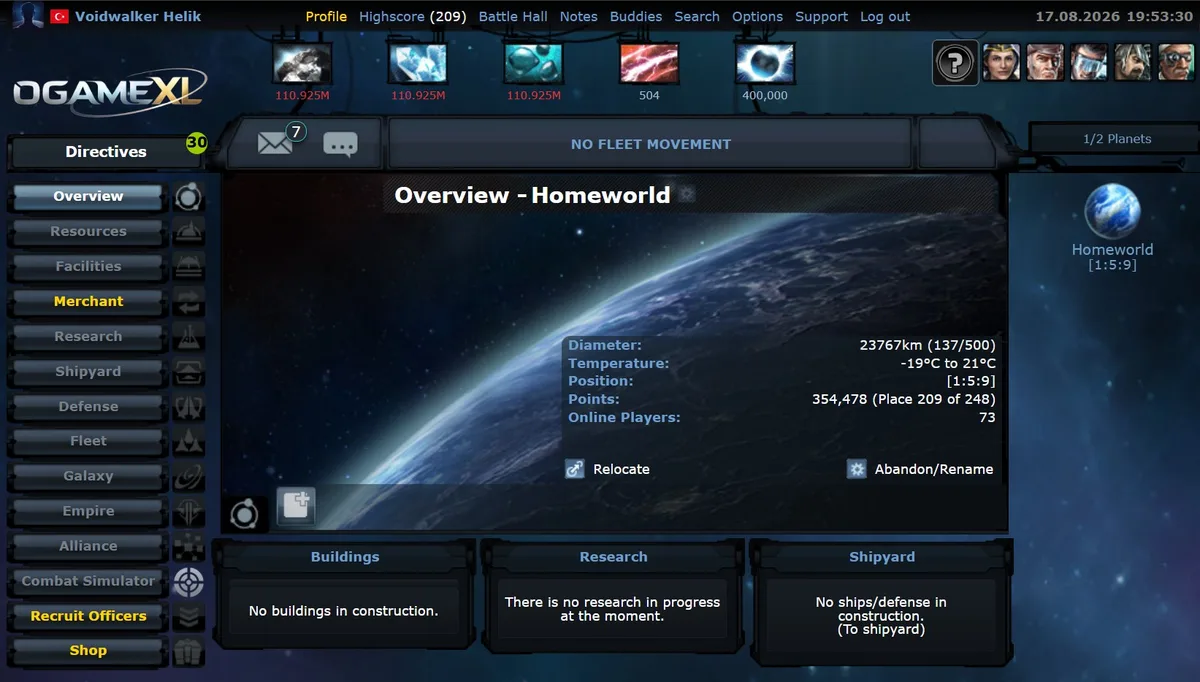
Players earn and manage three main resources: metal, crystal, and deuterium. This intricate balance triggers strategic decisions, as players must prioritize upgrades, fleet construction, and defenses. - Diplomacy and Alliances
The ability to form alliances fosters cooperation and competition among players. This social aspect encourages player engagement, making Ogame 2002 not just about individual success but also about community dynamics. - Time-Based Gameplay
The game operates in real-time, compelling players to think ahead. Actions like building or researching require time, which adds a layer of strategy. Players often log in multiple times a day to optimize their strategies effectively. - Combat System
Engaging in battles involves complex calculations of fleets and defenses, making combat thrilling yet strategic. Players need to build formidable fleets and defenses, which creates a constant push for progression.
The combination of these mechanics defined Ogame 2002 and laid the groundwork for its enduring legacy in gaming.
The community impact and player culture in 2002
In 2002, Ogame 2002 not only introduced players to a captivating space strategy game but also fostered a vibrant player community. This game became a virtual playground, bringing together individuals from diverse backgrounds and different corners of the globe. Here’s how Ogame 2002 shaped player culture:
- Collaborative Alliances: Players formed alliances, working together to strategize and conquer. These groups became a cornerstone of gameplay, promoting teamwork and camaraderie.
- Forum Discussions: Dedicated forums emerged where players exchanged tips, shared experiences, and fostered friendships. This chatter created a sense of belonging among the players.
- In-game Events: Unique events hosted by the community encouraged interactions and competitions, drawing players deeper into the game’s universe.
The passion and creativity from this community gave rise to a rich tapestry of player culture that defined Ogame 2002. Ultimately, it cultivated a long-lasting legacy that would influence future online gaming communities.
Ogame's Evolution: How It Paved the Way for Future Games
Ogame 2002 revolutionized the online gaming landscape and set the stage for future strategy games. Its innovative mechanics and community-driven gameplay became a benchmark. Here’s how:
- Real-Time Strategy: Ogame 2002 introduced a real-time strategy format that encouraged players to strategize continuously. This format inspired numerous online games, emphasizing tactical planning and resource management.
- Persistent Worlds: The game featured persistent universes, meaning player actions had lasting effects. This concept became a staple in MMORPGs, creating immersive experiences for players.
- Community Engagement: Ogame 2002 thrived due to its active forums and alliances, fostering a sense of community. Future games adopted similar forums, recognizing the value of player interaction.
- User-Generated Content: Players engaged in content creation through guides and strategies. This encouraged other games to promote fan-generated input, enhancing player loyalty.
In summary, Ogame 2002 not only entertained but also shaped the future of online gaming with its innovative ideas, creating a pathway for new generations of games.
Related Guides
Frequently Asked Questions
What's Your Reaction?
 Like
0
 Dislike
0
 Love
0
 Funny
0
 Wow
0
 Sad
0
 Angry
0

Playing and helping run OGame.life since its early seasons. Every build order, fleet composition, and expedition setup covered in these guides has been tested first-hand on our own servers before being written up.















Comments (0)