



OGame Galaxy Map Guide: Coordinates, Sensor Phalanx & Navigation (2026)
Unlock the secrets of navigating the Ogame Galaxy Map with strategic insights and practical tips. Discover common pitfalls to avoid, tools to enhance your map management, and tactics for effective navigation. This guide is a must-read for every Ogame player looking to improve their gameplay and resource management in the vast universe of Ogame.
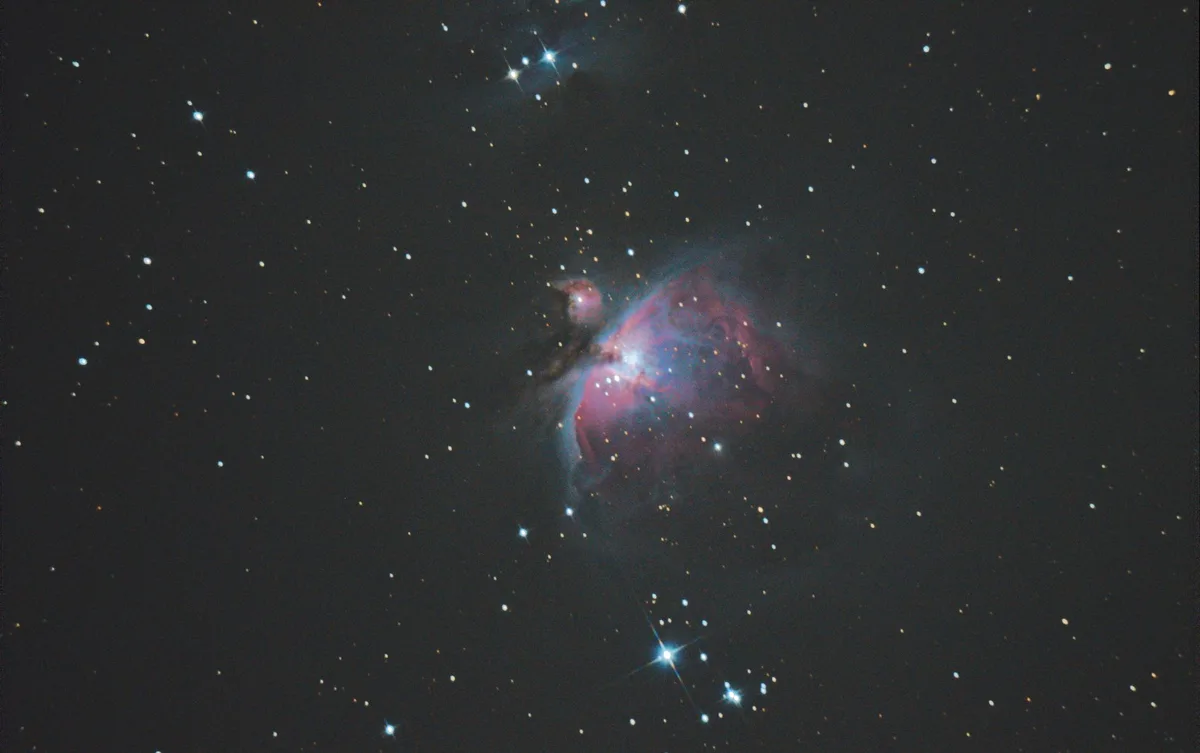
Every meaningful decision in OGame, where to colonize, who to farm, when a fleet is actually safe, comes down to reading the galaxy map correctly. It looks like a simple list of coordinates, but underneath it is a real, fixed structure with real numbers: how many systems exist, how far apart galaxies actually are, and exactly what a Sensor Phalanx can and can't see when someone is watching your moon. Here's how it actually works.
In this guide
- How OGame Coordinates Actually Work
- What the Galaxy Map Actually Shows You
- The Sensor Phalanx: Range, Cost & What It Reveals
- Practical Navigation Tips
- Third-Party Galaxy Map Tools
How OGame Coordinates Actually Work
Every location in OGame is written as three numbers: [Galaxy : Solar System : Position]. Traditionally a universe has 9 galaxies, though many newer universes launch with fewer, sometimes just 4 or 5. Each galaxy contains 499 solar systems, and each solar system has 15 planet slots plus one uncolonizable slot called Outer Space. Any of those 15 slots can also hold a moon and/or a debris field alongside the planet.
Do the math and a standard 9-galaxy universe has 67,365 possible planet locations. Galaxies are spaced 20,000 distance units apart from their neighbors, and in many universes the galaxy numbering wraps around, meaning the last galaxy is exactly as close to the first as the second one is, so don't assume galaxy 9 is "far" from galaxy 1 in a circular universe.
What the Galaxy Map Actually Shows You
Opening the galaxy view for any system shows you, for every occupied slot: the planet's name and size, the player who owns it (and their status: active, inactive, vacation, or banned), whether a moon exists there, and whether a debris field is currently sitting in that system. This is the raw information every colonization decision, every farming target, and every scouting plan is built from, you're reading the same data whether you use the game's own galaxy view or a third-party Planet Finder tool (see our Planet Finder guide for how to filter and search across systems efficiently instead of clicking through them one at a time).
The Sensor Phalanx: Range, Cost & What It Reveals
The Sensor Phalanx, buildable only on a moon, is what turns the galaxy map from a static list into an active surveillance tool. Scanning a planet costs 5,000 Deuterium and reveals any fleet currently flying to or from that planet, including its composition and arrival time (though never the resources it's carrying).
Its range follows a fixed formula: Range = (Phalanx Level)² − 1 solar systems on either side of your moon. A level 1 Phalanx only covers its own system; by level 8 that's already a 63-system radius, and by level 16 (655M metal, 1.31B crystal, 655M deuterium to build) it reaches 255 systems in each direction.
| Phalanx Level | Range (systems each way) |
|---|---|
| 1 | 1 |
| 4 | 15 |
| 8 | 63 |
| 12 | 143 |
| 16 | 255 |
What it can see: fleets heading to or already at the scanned planet (attacks, ACS, trades, deployments, spying, hold missions), and fleets returning home from most missions.
What it cannot see: anything moving to or from a moon (moons have no atmosphere and can't be scanned at all), harvesting fleets launched from or returning to a moon, or a planet-to-planet deployment that has been recalled before landing. This is exactly why a moon-to-moon fleetsave is considered the safest method in the game, covered in detail in our Fleet Save guide. Also worth knowing: the game never notifies you when someone Phalanxes your moon, the only tell is an attack landing suspiciously close to your fleet's return time.
Practical Navigation Tips
- Check nearby moons before you fly through an area. Probing a moon reveals its Phalanx range indirectly, if you don't know who's watching, assume the worst.
- Remember distance drives flight time and fuel, not just danger. Every extra galaxy or system you cross costs real deuterium and real minutes, plan colonization and farming targets with actual distance in mind, not just planet size. Our Flight Time & Fuel Calculator runs the exact numbers for any two coordinates.
- A circular universe changes what "far away" means. Don't write off galaxy 9 targets just because the number looks high, if your universe wraps around, they might be your closest neighbors.
- Inactive-looking doesn't mean unwatched. A quiet planet can still sit inside a very high-level Phalanx's range on a nearby moon, scout before committing a real fleet.
Third-Party Galaxy Map Tools
Beyond the in-game galaxy view, the OGame community has long maintained collaborative mapping projects (originally sites like ogame.gamestats.org) where players contribute data to build a fuller picture of a universe's activity than any single player's own scans could. These complement, rather than replace, your own Phalanx and probe data, third-party tools are only as current as their last community update, while your own scans are always real-time.
Related Guides
Frequently Asked Questions
What's Your Reaction?
 Like
0
 Dislike
0
 Love
0
 Funny
0
 Wow
0
 Sad
0
 Angry
0

Playing and helping run OGame.life since its early seasons. Every build order, fleet composition, and expedition setup covered in these guides has been tested first-hand on our own servers before being written up.






Comments (0)